
You’ve probably been told to “get more calcium” since you were in your forties. Maybe a doctor mentioned it during a physical. Maybe you saw a headline about osteoporosis and made a mental note to drink more milk. And then, like most advice that isn’t given with a real plan attached, it faded into the background of your life.
I get it. I’m 40-plus years into this, and I’ve watched my own body change in ways the “eat more calcium” advice never prepared me for. Bone loss doesn’t announce itself. There’s no soreness, no warning twinge. You find out you have a problem when you break something xe2x80x94 a wrist from a stumble, a hip from a fall that wouldn’t have hurt you at 30. By then, you’re not preventing the problem anymore. You’re managing it.
Here’s what I want you to understand before we go any further: calcium alone was never going to save your bones. It’s one ingredient in a recipe most people never got handed. Let’s fix that.
Why Bone Loss Sneaks Up After 50
Your skeleton isn’t a fixed structure sitting quietly inside you. It’s living tissue, constantly being broken down and rebuilt in a process called remodeling. In your twenties and thirties, rebuilding wins. Somewhere around menopause for women, and more gradually for men, breakdown starts winning instead. Bone density can drop several percentage points a year in the first years after menopause, and men lose ground more slowly but just as surely as testosterone declines.
This isn’t a scare tactic. It’s just biology, and it’s exactly why the nutrition conversation has to change once you’re past 50. What worked to keep you healthy at 30 isn’t enough to protect what you’re standing on now.
The frustrating part is that most of the advice out there stops at calcium, as if bones were made of one mineral and nothing else. They’re not. Bone is a living composite of minerals, protein, and a small army of vitamins that tell your body where to put the calcium you’re eating. Miss those supporting players, and you can drink milk every day of your life and still lose ground.

The Calcium Myth Nobody Corrects
Calcium builds the hard structure of bone, but calcium without direction is just calcium floating around your bloodstream. Your body needs vitamin D to absorb it from your gut in the first place, and it needs a lesser-known nutrient, vitamin K2, to actually direct that calcium into your bones instead of your arteries.
This is the part almost nobody explains. A 2025 systematic review and meta-analysis published in Frontiers in Endocrinology looked specifically at vitamin K supplementation in middle-aged and older adults and found it significantly improved bone mineral density by increasing carboxylated osteocalcin xe2x80x94 essentially the form of a bone protein that can actually bind calcium into the skeleton. Without enough vitamin K2, your body makes plenty of osteocalcin, but a good portion of it can’t do its job.
A separate 2024 review in the journal Nutrients described calcium, vitamin D, and vitamin K2 working together almost like a relay team: vitamin D gets calcium out of your food and into your bloodstream, and vitamin K2 hands it off to your bones. Leave any one of the three out, and the system stalls.
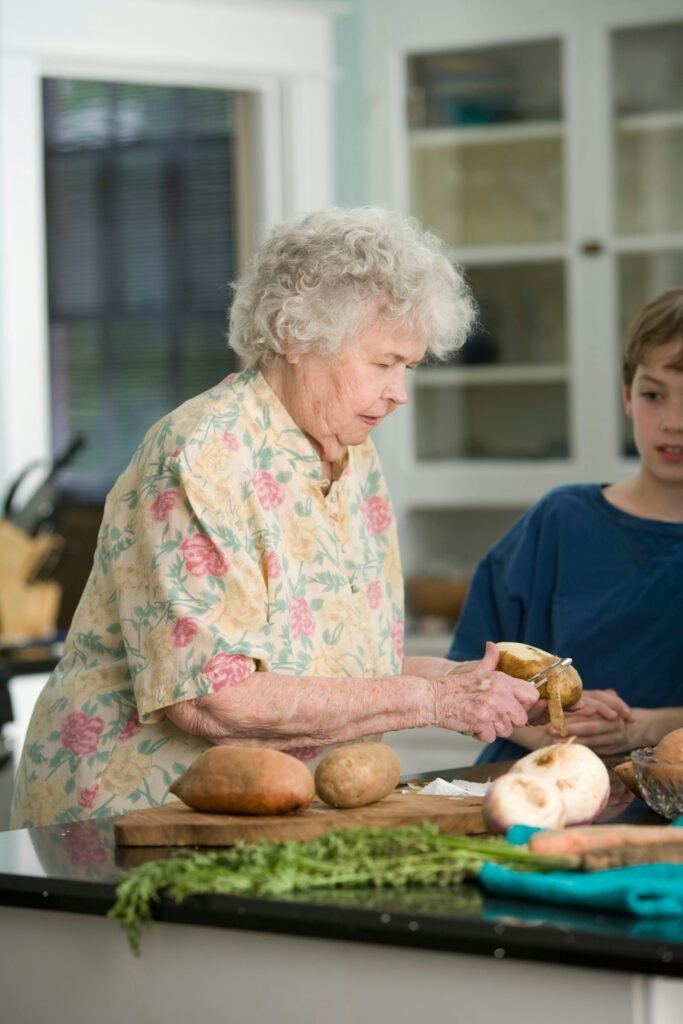
Practically, this means leafy greens (a solid source of vitamin K), fermented foods like natto and some aged cheeses, and a little safe sun exposure or a vitamin D source all deserve a place on your plate xe2x80x94 not just a glass of milk.
Protein: The Bone Nutrient Nobody Talks About
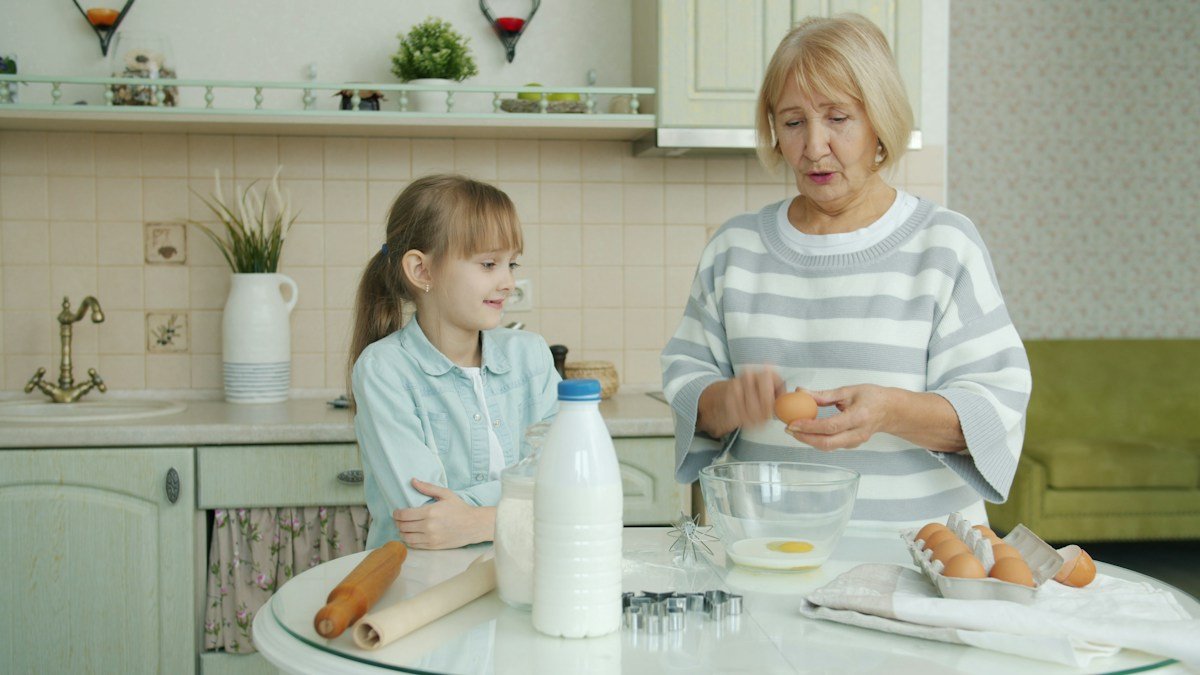
If calcium is the building material, protein is a big part of the scaffolding. Bone is roughly a third collagen, a protein matrix that calcium crystals attach to. Underfed that matrix, and you’re pouring concrete without rebar.
Research on this is clearer than people realize. A body of evidence reviewed by the International Osteoporosis Foundation found that adequate dietary protein is associated with higher bone mineral density, a slower rate of bone loss, and a reduced risk of hip fracture xe2x80x94 provided calcium intake is also sufficient. The current government protein recommendation of roughly 0.8 grams per kilogram of body weight was set decades ago to prevent outright deficiency, not to protect the bones and muscle of an aging body. For most adults over 50, something closer to 1.0 to 1.2 grams per kilogram xe2x80x94 spread across meals rather than loaded into dinner xe2x80x94 better supports both bone and the muscle that protects bone by preventing the falls that break it in the first place.
That’s the piece people miss. Strong muscles are your first line of defense against a fracture. Weak muscles mean more falls. More falls, onto bones that are already thinning, is exactly how a “minor stumble” turns into a hospital stay. Protein isn’t just a bone nutrient. It’s a fall-prevention strategy sitting quietly on your dinner plate.
You don’t need to eat perfectly. You need to eat consistently, in a direction that actually builds something.
Building Your Bone-Health Plate
Here’s how I’d put this into practice, without turning your kitchen into a laboratory:
- Build protein into every meal, not just dinner. A third of your day’s protein at breakfast, a third at lunch, a third at dinner does more for bone and muscle than one big steak at night.
- Add a vitamin K source daily. Kale, spinach, broccoli, and Brussels sprouts are inexpensive and easy to fold into meals you already make.
- Don’t skip dairy or its alternatives, but don’t treat it as the whole plan. Yogurt, cheese, and fortified plant milks are useful vehicles for calcium and often vitamin D, but they’re one piece, not the whole puzzle.
- Get your vitamin D checked. A simple blood test tells you whether food and sun are covering it, or whether a supplement makes sense for you specifically. This isn’t a place to guess.
- Pair food with movement. Bone responds to mechanical stress. The nutrients build the material; resistance training and weight-bearing movement tell your body where that material needs to go.
None of this requires perfection, and none of it requires giving up food you love. It requires knowing what your body is actually asking for at this stage of life, and giving it that instead of the same advice you got at 25.
I didn’t understand any of this in my forties, when I was dealing with shoulder arthritis and torn rotator cuffs and assumed nutrition was the least of my problems. By my sixties, when sarcopenia caught up with me, I understood it very differently. The body you have in your fifties, sixties, and seventies isn’t asking for less. It’s asking for something more specific. Give it that, and it will still surprise you with what it can do.
The only way to start when you’re not motivated is to do it anyway. That applies to your fork just as much as it applies to the gym.
If you want a structured way to put real movement behind this nutrition plan xe2x80x94 the kind that tells your bones where to put the calcium and protein you’re now feeding them xe2x80x94 grab the free 5-Day Fit & Strong Reset. It’s beginner-friendly, needs nothing but a resistance band, and it’s built for exactly where you are right now, not where a 25-year-old trainer assumes you are. Visit SilverFitPlus.com to get started.
Sources
Frontiers in Endocrinology xe2x80x94 “The effect of vitamin K2 supplementation on bone turnover biochemical markers in postmenopausal osteoporosis patients: a systematic review and meta-analysis” xe2x80x94 Frontiers in Endocrinology, 2025 xe2x80x94 Read the study
Nutrients (MDPI) xe2x80x94 “The Importance of Vitamin K and the Combination of Vitamins K and D for Calcium Metabolism and Bone Health: A Review” xe2x80x94 Nutrients, 2024 xe2x80x94 Read the review
International Osteoporosis Foundation xe2x80x94 “Protein and other nutrients” xe2x80x94 International Osteoporosis Foundation xe2x80x94 Read the guidance