

Inflammation is the common thread running through almost every chronic condition that shortens lives after 50: heart disease, Type 2 diabetes, arthritis, cognitive decline, certain cancers. Acute inflammation — the kind that heals a cut or fights an infection — is essential. Chronic, low-grade inflammation is a slow fire that quietly damages tissue over years and decades.
The food you eat is either throwing fuel on that fire or helping to put it out. And after 50, this distinction matters more than it ever has.
What Chronic Inflammation Actually Does to Your Body
Chronic inflammation is measured through blood markers like C-reactive protein (CRP) and interleukin-6. Elevated levels correlate with increased risk of cardiovascular disease, faster cognitive decline, higher rates of joint deterioration, and impaired muscle recovery. It also drives insulin resistance — the metabolic dysfunction that underlies Type 2 diabetes.
The primary drivers of chronic low-grade inflammation are well-established: excess body fat (especially visceral fat around the organs), a sedentary lifestyle, chronic stress, poor sleep, and — critically — a diet high in processed foods, refined carbohydrates, and industrial seed oils.
The good news: anti-inflammatory eating is not a fad diet with an end date. It’s a return to how humans have eaten for most of our history, and it consistently reduces inflammatory markers in studies across every age group.
“Every meal is either cooling the fire or feeding it. You don’t have to be perfect. You just have to be consistent enough that the scales tip in the right direction.”
The Foods That Fight Inflammation

The Mediterranean diet consistently scores highest in research for anti-inflammatory effects. You don’t need to follow it rigidly. You need to understand its core principles and apply them consistently:
- Fatty fish (salmon, sardines, mackerel, tuna) — omega-3 fatty acids EPA and DHA directly suppress inflammatory pathways. Aim for two to three servings per week.
- Extra virgin olive oil — contains oleocanthal, which has similar anti-inflammatory effects to ibuprofen in laboratory studies. Use it as your primary cooking fat.
- Colorful vegetables (berries, leafy greens, bell peppers, broccoli) — rich in polyphenols and antioxidants that neutralize the free radicals that drive inflammation.
- Nuts (walnuts especially) — anti-inflammatory fats, magnesium, and polyphenols.
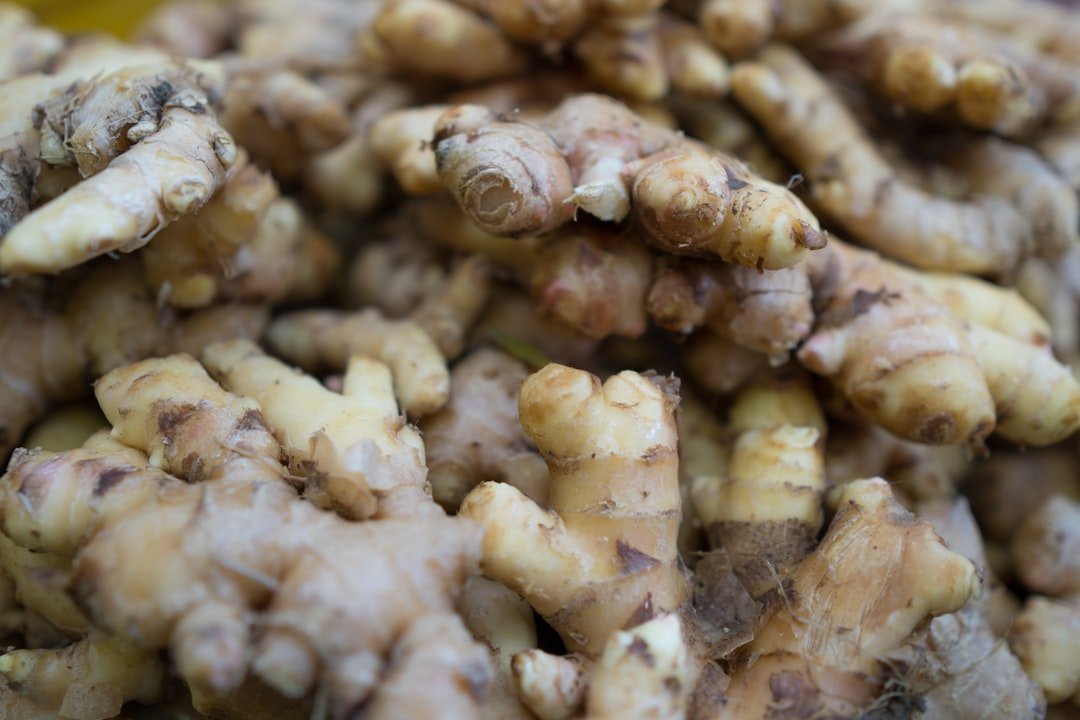
- Turmeric and ginger — curcumin (in turmeric) has well-documented anti-inflammatory effects. Add it to cooking, smoothies, or take it as a supplement with black pepper for absorption.
- Green tea — EGCG, the active compound, reduces several inflammatory markers in regular drinkers.
What to Reduce or Eliminate
- Sugary drinks and fruit juices
- Refined carbohydrates: white bread, pastries, crackers, most breakfast cereals
- Processed meats: hot dogs, deli meats, sausages high in saturated and trans fats
- Industrial seed oils: soybean oil, corn oil, canola oil in high quantities
- Ultra-processed snack foods
You don’t have to remove all of these perfectly. Start by adding the good stuff — more fish, more olive oil, more colorful plants — and the ratio naturally shifts in your favor.
What Inflammation Actually Is (and Why It Gets Out of Control)
Inflammation is not inherently a problem. Acute inflammation — the redness, swelling, and heat around a cut or infection — is the immune system doing exactly what it is supposed to do. It is the rapid deployment of immune cells to address a threat, and it resolves when the threat is gone. The problem is chronic, low-grade inflammation: the state where the immune system is persistently activated at a lower level without a specific threat to resolve. This is what researchers call “inflammaging” — the chronic inflammatory background that increases with age and underlies a wide range of age-related diseases.
The triggers of chronic inflammation are not exotic. Excess adipose tissue — particularly visceral fat around the organs — secretes pro-inflammatory signaling molecules called cytokines continuously. Poor sleep raises inflammatory markers. Chronic psychological stress activates the same inflammatory pathways. A diet high in refined carbohydrates, seed oils, and ultra-processed foods provides a steady substrate for inflammatory signaling. Each of these factors compounds the others, which is why inflammation tends to worsen progressively with age in people who do not actively intervene.
The anti-inflammatory diet works by reducing the substrate available for inflammatory signaling and by providing compounds that actively counter the process. Omega-3 fatty acids are converted into resolving molecules that help end inflammatory cascades. Polyphenols in vegetables, berries, and olive oil modulate NF-kB, the master inflammatory regulator. Fiber feeds the gut bacteria whose metabolites keep the intestinal lining intact — a compromised gut lining allows bacterial components to enter the bloodstream and trigger systemic inflammation.
Foods That Actively Increase Inflammation
Understanding what to eat is only half the picture. Understanding what to reduce or eliminate is equally important — and in practice, reducing the most inflammatory foods often produces faster results than adding anti-inflammatory ones, because you are removing the accelerants.
Refined carbohydrates and added sugars drive blood glucose spikes that trigger inflammatory signaling directly. Advanced glycation end products (AGEs) — compounds formed when proteins or fats react with sugars at high heat — are produced in large quantities by ultra-processed foods and are also elevated in home cooking that relies heavily on dry, high-heat methods. Trans fats, while now banned in many countries, still appear in some processed foods. Industrial seed oils (soybean, corn, sunflower, cottonseed) consumed in large quantities shift the ratio of omega-6 to omega-3 fatty acids dramatically toward omega-6, which is the substrate for pro-inflammatory eicosanoids.
This does not mean you need to eliminate these foods entirely or become anxious about occasional consumption. The inflammatory effect is cumulative and proportional — what matters is the pattern across weeks and months, not any single meal. The 80/20 rule applies: if the majority of your eating comes from whole, minimally processed foods, occasional exposure to less optimal choices does not meaningfully drive inflammatory disease.
The Cumulative Effect: Why Small Dietary Shifts Add Up
One of the most discouraging aspects of dietary advice for inflammation is that the effects are not immediately visible. You do not feel less inflamed after one day of eating more vegetables and salmon. The biomarkers of inflammation — C-reactive protein, interleukin-6, tumor necrosis factor-alpha — shift over weeks and months of consistent change, not overnight. This makes it hard to sustain changes based on feedback, because the feedback is slow.
The solution is to focus on building habits rather than chasing outcomes. Substituting olive oil for seed oil in cooking, adding a handful of blueberries to breakfast, eating fatty fish twice a week, adding a leafy green to lunch — these are individually small changes that are each easy to maintain and that compound significantly over time. Six months of these shifts produces a fundamentally different dietary pattern without requiring any dramatic overhaul.
The combination of anti-inflammatory eating and regular exercise is substantially more powerful than either alone. Exercise reduces visceral fat (a major source of inflammatory cytokines), lowers cortisol when done at appropriate intensity, and directly suppresses inflammatory signaling through pathways involving IL-6 — a cytokine that behaves as both a pro-inflammatory signal and, when produced by exercising muscle rather than fat tissue, an anti-inflammatory one. The two interventions together work synergistically, which is why the research consistently shows the largest benefits in people who change both diet and exercise simultaneously.
The Gut Microbiome Connection
Emerging research on the gut microbiome adds another layer to the inflammation story. The roughly 38 trillion bacteria that live in the human gut influence inflammation in ways that researchers are only beginning to understand fully. Several things are clear: a diverse gut microbiome — one with many different species of bacteria — is associated with lower inflammatory markers. A depleted or dysbiotic microbiome, with reduced diversity and overgrowth of certain species, is associated with higher inflammation and is found at higher rates in people with obesity, type 2 diabetes, cardiovascular disease, and autoimmune conditions.
Diet is the primary driver of microbiome diversity. Fiber is the substrate that beneficial gut bacteria ferment to produce short-chain fatty acids — butyrate, propionate, and acetate — that maintain the integrity of the gut lining, modulate immune function, and reduce systemic inflammation. The more diverse the fiber sources (different vegetables, legumes, whole grains, fruits), the more diverse the microbial community that thrives on them. Ultra-processed diets with little fiber starve the beneficial bacteria and shift the balance toward species associated with inflammation.
Fermented foods — yogurt, kefir, kimchi, sauerkraut, miso — introduce live bacterial cultures that add to microbiome diversity. A 2021 randomized controlled trial from Stanford showed that a high-fermented-food diet significantly increased microbiome diversity and decreased inflammatory markers over 10 weeks, outperforming a high-fiber diet alone on the diversity measure. Both approaches are beneficial and complementary. Adding even one or two fermented foods to daily eating is a concrete step with plausible inflammatory benefit.
The evidence supporting fermented food consumption continues to strengthen, and the barrier to inclusion is low — these are foods that can be added incrementally to existing patterns rather than requiring a wholesale dietary overhaul.
If you want to pair your nutrition changes with movement that works for your body and your age, the 5-Day Fit & Strong Reset is a free starting point — just a resistance band, no gym, 20 minutes a day. Reducing inflammation from two directions at once — food and movement — produces results that neither approach achieves alone.