
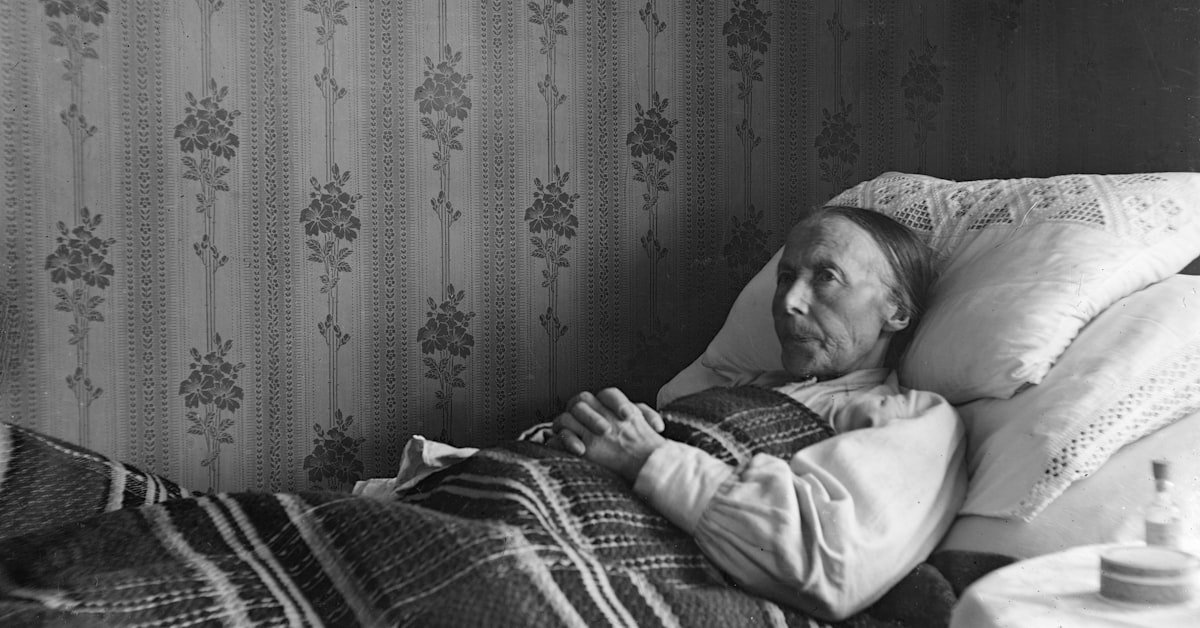
You can follow the perfect training program. You can eat right. You can show up consistently. But if you’re sleeping four or five hours a night, you are undermining every single thing you’re doing in the gym.
Sleep is when your body actually builds muscle. Not during the workout — during recovery. Growth hormone, the primary driver of muscle repair and growth, is released in its largest pulse during the first cycle of deep sleep. No deep sleep, no growth hormone. No growth hormone, very little adaptation from the work you put in.
Most people over 50 already have a complicated relationship with sleep. Hormonal changes, stress, medications, an earlier-rising internal clock — all of it can chip away at the quality and quantity of rest you get. The science says this matters more than most people realize.
“You don’t grow in the gym. You grow in bed. Sleep is training.”
What Happens to Your Muscles When You Don’t Sleep
A landmark study from the University of Chicago put participants on a calorie-restricted diet and had them sleep either 8.5 hours or 5.5 hours a night. Both groups lost weight — but the group sleeping less lost 60% less muscle mass during that period. They also reported significantly more hunger and cravings for high-calorie foods.
That study alone should change how you think about sleep.
When you train, you create micro-damage in your muscle fibers. During sleep — specifically slow-wave (deep) sleep — your body surges growth hormone, synthesizes protein, and repairs those fibers thicker and stronger than before. Cut the sleep short, and the repair process gets truncated. You’re essentially doing the work without collecting the paycheck.
The National Sleep Foundation reports that adults over 50 spend less time in slow-wave sleep than younger adults, even when total sleep time is similar. That’s why sleep quality — not just duration — matters.
How Sleep Changes After 50
After 50, sleep architecture shifts. You get less deep sleep. You wake more frequently. You produce less melatonin, the hormone that regulates your sleep-wake cycle. And many people over 50 are dealing with cortisol dysregulation — meaning their stress hormone doesn’t drop as predictably at night as it used to.
A 2022 review in Nature Aging found that adults over 60 who consistently slept fewer than 6 hours per night had significantly higher rates of cognitive decline and lower muscle mass than those averaging 7–8 hours. Sleep is not optional — it’s structural.
And here’s what frustrates me: most fitness advice for older adults focuses entirely on exercise and nutrition. Sleep barely gets a mention. But if you’re 60, struggling to add muscle or lose fat, and sleeping five hours a night — no training program or meal plan is going to fix that first.
5 Evidence-Based Fixes That Actually Work
You don’t need a $300 sleep tracker. You need habits.
1. Consistent sleep and wake times. Your body runs on a circadian clock. Irregular schedules confuse it. Pick a wake time and stick to it — even weekends.
2. Cut screens an hour before bed. Blue light suppresses melatonin production. This is not a myth. Swap the phone for a book.
3. Keep the room cool and dark. Core body temperature needs to drop to initiate deep sleep. A cooler room (around 65–68°F) helps that happen faster.
4. Limit alcohol after dinner. Alcohol makes you feel sleepy but disrupts REM sleep significantly. You’ll log the hours but miss the quality.
5. Time your exercise right. Late-evening high-intensity training can spike cortisol and delay sleep onset for some people. Morning or early afternoon training tends to support better sleep.
These aren’t complicated. They’re just underused.
The Cortisol-Sleep Spiral
One of the more underappreciated mechanisms behind poor sleep in older adults is cortisol dysregulation. Cortisol — the body’s primary stress hormone — follows a natural daily rhythm: it peaks in the morning to help you wake up and falls steadily through the day to allow sleep to begin at night. After 50, this rhythm can become less predictable. Cortisol levels that remain elevated into the evening make it harder to fall asleep, harder to stay asleep, and dramatically reduce the proportion of time spent in deep, restorative slow-wave sleep.
The spiral is self-reinforcing: poor sleep raises cortisol the following day, which interferes with the next night’s sleep. Chronic elevated cortisol also breaks down muscle tissue directly — it is catabolic, meaning it promotes muscle protein breakdown. So the person who is not sleeping well is losing muscle faster, training less effectively, and recovering more slowly, all at the same time, through the same mechanism.
Managing daytime cortisol is therefore not just a stress management recommendation — it is a sleep and recovery strategy. Consistent exercise timing (morning or midday rather than late evening), limiting caffeine after 2pm, and having a genuine wind-down routine before bed all target the cortisol curve directly.
Sleep Disorders Worth Knowing About
Undiagnosed sleep disorders are far more common in adults over 60 than most people realize. Two in particular are worth naming because they are often mistaken for “just bad sleep” when they are actually treatable medical conditions.
Obstructive sleep apnea — where the airway partially or fully collapses during sleep, causing repeated brief awakenings — affects roughly 30 to 40 percent of adults over 65. Most people with sleep apnea don’t know they have it. The classic signs are loud snoring, gasping or stopping breathing during sleep (often reported by a bed partner), waking unrefreshed even after a full night, and excessive daytime sleepiness. Untreated sleep apnea is associated with elevated cardiovascular risk, cognitive decline, insulin resistance, and — directly relevant here — reduced muscle recovery and growth hormone secretion. If any of those signs sound familiar, a sleep study is worth discussing with your doctor.
Restless leg syndrome, characterized by an uncomfortable urge to move the legs in the evening and at night, affects about 10 to 20 percent of older adults and can severely fragment sleep onset. It is often under-reported because people attribute it to general restlessness or poor circulation. It is also highly treatable once identified.
What Good Sleep Architecture Actually Looks Like
Sleep is not a single state. A healthy night cycles through distinct stages approximately every 90 minutes: light sleep, deep sleep (slow-wave sleep), and REM sleep. Each serves different functions. Slow-wave sleep is when the majority of growth hormone is released and physical tissue repair occurs. REM sleep is when memories are consolidated, emotional processing occurs, and cognitive performance is restored.
Older adults tend to experience less slow-wave sleep per cycle and more fragmented REM sleep than younger adults, which is why total sleep time does not tell the whole story. Someone who sleeps seven hours but cycles through mostly light sleep and wakes repeatedly may be far less recovered than someone who sleeps six uninterrupted hours with normal proportions of deep and REM sleep.
This is why the sleep habits listed above — consistent schedule, cool dark room, limited alcohol and late screens — matter so much. Alcohol, in particular, is notorious for suppressing REM sleep even as it appears to help you fall asleep initially. People who drink in the evening often log adequate hours but report waking feeling unrefreshed, which is exactly what you would expect from alcohol’s disruption of sleep architecture in the second half of the night.
A Word on Napping
Napping after 50 deserves a nuanced take. A brief nap of 20 to 30 minutes taken before 3pm can improve afternoon alertness, reduce sleepiness, and has some evidence for cognitive benefit. It does not significantly interfere with nighttime sleep for most people when kept short and timed early in the afternoon.
Longer naps — 60 to 90 minutes or later in the day — are a different story. They can enter slow-wave sleep and produce sleep inertia (grogginess on waking), and they can reduce sleep pressure enough to make nighttime sleep harder to initiate. If you are struggling with nighttime insomnia, a long afternoon nap is one of the first things worth cutting.
The overall principle: treat sleep as a system, not a single event. Total hours, sleep quality (architecture), timing, and daytime habits all feed into the same outcome. Optimizing one while ignoring the others tends to produce incomplete results. The consistent, early-rising, caffeine-moderated, cool-room, alcohol-free evening is not a complicated prescription — it is just one most people have to commit to deliberately.
Putting It Together: Sleep as a Training Variable
Most people think about fitness in terms of what they do in the gym or on a walk. Sleep belongs in that accounting. It is the variable that determines whether the stimulus from training actually converts into adaptation, whether growth hormone does its repair work, whether the brain consolidates motor patterns and mood, and whether the next day’s session even happens at full effort. Skipping sleep hygiene while optimizing exercise is like filling a leaky bucket. You are putting good inputs in and watching the benefits drain out overnight.
The most effective approach treats sleep as non-negotiable rather than a luxury. That means protecting it the same way you protect your exercise time — scheduling it, building routines around it, and not allowing it to be the first thing cut when life gets busy. Seven to eight hours is the target for most adults over 50. Most people know this. The gap is between knowing and actually treating sleep as a priority rather than a variable to compress.
If you’re ready to put the full picture together — training, recovery, and consistency — check out Build Strong After 50, my complete 12-week program. It’s built for people who are serious about building real strength after 50, without burning out.
Sources
Nedeltcheva AV, et al. — “Insufficient Sleep Undermines Dietary Efforts to Reduce Adiposity” — Annals of Internal Medicine, 2010 — https://pubmed.ncbi.nlm.nih.gov/20921542/
National Sleep Foundation — “Sleep and Older Adults” — sleepfoundation.org
Shi L, et al. — “Sleep disturbances increase the risk of dementia from the general population” — Nature Aging, 2022 — https://www.nature.com/articles/s43587-022-00330-9