

If you’re over 50 and you feel tired after meals, carry extra weight around your middle, or find yourself craving sugar an hour after eating — your blood sugar is probably running the show. And most people have no idea it’s happening.
This isn’t just a diabetes conversation. Blood sugar regulation affects your energy, your mood, your weight, your muscle, and how fast you age. And after 50, the game changes in ways nobody warns you about.
Why Blood Sugar Gets Harder to Control After 50

Here’s what’s happening in your body. As you age, you naturally lose muscle mass — a process called sarcopenia. Muscle is your body’s primary storage depot for blood glucose. Less muscle means less capacity to absorb blood sugar after a meal, which means it stays elevated longer and forces your pancreas to pump out more insulin to deal with it.
Over time, your cells start ignoring insulin’s signals — a condition called insulin resistance. Your body produces more and more insulin to get the same result, and eventually the system starts to break down. Energy crashes. Fat storage increases, especially around the abdomen. Cravings intensify. You feel worse, move less, and the cycle deepens.
This is not inevitable. But it does require you to take it seriously.
“You don’t have to be diabetic for blood sugar to be quietly sabotaging your health. Most people are decades into the problem before they get a diagnosis.”
The Foods That Actually Help
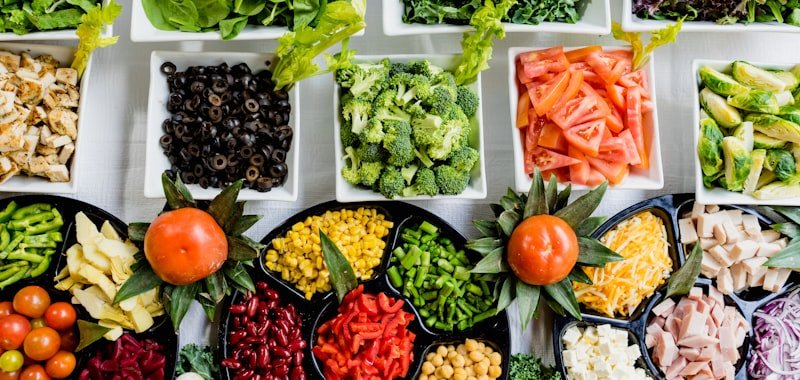
You don’t need a complicated diet plan. You need a few consistent habits that make a real difference.
Lead with protein and vegetables. Research from Cornell and other institutions has shown that the order in which you eat your food matters. When you eat protein and fiber before carbohydrates at a meal, glucose enters your bloodstream more slowly, resulting in a smaller, more manageable blood sugar spike. Start with your chicken, fish, eggs, or legumes. Add your vegetables. Then the rice or bread.
The foods that consistently stabilize blood sugar for adults 50+:
- Lean proteins: chicken, fish, turkey, Greek yogurt, eggs
- Non-starchy vegetables: broccoli, spinach, peppers, zucchini, cauliflower
- Legumes: lentils, chickpeas, black beans — high fiber, slow digestion
- Whole grains over refined: oats, quinoa, brown rice instead of white bread and pasta
- Healthy fats: avocado, olive oil, nuts — they slow glucose absorption
- Cinnamon: a surprising one, but multiple studies show it improves insulin sensitivity
What to reduce: Sugary drinks (including fruit juice), ultra-processed snacks, white bread, and large portions of refined carbohydrates. You don’t have to eliminate them. Just stop letting them anchor your meals.
The Muscle Connection Nobody Talks About
Here’s the most important thing I can tell you: the single most effective long-term intervention for blood sugar control is building and maintaining muscle.
Every pound of muscle you carry improves your insulin sensitivity. Every resistance training session — even a short one — creates a window of up to 24–48 hours of improved glucose uptake. This means your body handles the carbohydrates you eat more efficiently, stores less of them as fat, and produces more stable energy.
This is why the diet conversation and the exercise conversation are inseparable. Food sets the stage, but muscle is the engine.
You don’t need a gym membership and an hour a day. You need consistency. Two or three sessions a week of basic resistance training — bodyweight squats, push-ups, resistance bands — is enough to meaningfully change how your body handles blood sugar.
Start with one meal this week. Apply the protein-first rule at dinner for the next seven days and notice how you feel at 9pm versus how you normally feel. Then build from there. Small changes, consistently applied, compound over time in ways that will surprise you.
What Blood Sugar Instability Actually Feels Like After 50
Most people associate blood sugar problems with dramatic symptoms — fainting, extreme thirst, diabetic emergencies. But the more common experience is subtler and more insidious. It is the 3pm energy crash that sends you to the vending machine. It is the irritability that arrives out of nowhere before meals. It is the difficulty concentrating in the late afternoon, the dependence on caffeine to function, the hunger that returns within two hours of eating, and the weight that accumulates around the midsection regardless of caloric intake.
These are not personality traits or symptoms of getting older that you have to accept. They are the physiological consequences of blood sugar that spikes and then drops repeatedly throughout the day. After 50, this pattern becomes more common because insulin sensitivity decreases with age, muscle mass (which acts as a glucose reservoir) tends to decline, and the hormonal changes of menopause and andropause further affect how the body handles glucose.
The good news is that blood sugar regulation is one of the most responsive systems in the body to lifestyle intervention. Small, consistent changes produce real results — and the feedback loop is fast enough that many people notice a difference within days rather than months.
The Glycemic Load Concept: A Better Way to Think About Food
The glycemic index tells you how quickly a food raises blood sugar relative to pure glucose. The glycemic load goes a step further: it accounts for how much of that food you actually eat. Watermelon, for instance, has a high glycemic index, but a normal portion has so little carbohydrate that its glycemic load is low. White rice has both a high glycemic index and a high glycemic load at typical serving sizes — a more meaningful distinction for practical eating.
More important than either number is the context in which you eat carbohydrates. Combining carbohydrate-heavy foods with protein, fat, or fiber slows digestion and blunts the blood sugar response significantly. A plain potato raises blood sugar faster than a potato eaten with salmon and salad. A piece of fruit eaten with a handful of nuts raises blood sugar more slowly than the same fruit eaten alone. This is not a complicated formula — it is just the observation that mixed meals are generally more blood-sugar-stable than single-food meals.
Meal timing and order also matter more than most people realize. Research from Weill Cornell Medicine showed that eating vegetables and protein before carbohydrates at the same meal significantly reduced post-meal glucose spikes compared to eating the same foods in the reverse order. A simple habit shift with no change to total calories or food choices.
Why Stress and Sleep Are Blood Sugar Variables
Diet and exercise get most of the attention in blood sugar conversations, but cortisol — the body’s primary stress hormone — is a potent glucose-raising signal. Cortisol exists to prepare the body for action, and one of the ways it does this is by triggering the liver to release stored glucose into the bloodstream. This is useful in a genuine emergency. It is less useful when it happens in response to workplace stress, financial worry, relationship tension, or the low-grade anxiety of modern life that many people carry constantly.
Chronic elevated cortisol means chronic elevated blood sugar — even in people who eat well and exercise. Sleep deprivation compounds this: a single night of poor sleep is enough to measurably reduce insulin sensitivity the following day, and the effect accumulates over time. Prioritizing sleep and stress management is therefore not optional lifestyle advice for blood sugar health — it is mechanistically connected to the same metabolic system you are trying to regulate with food and movement.
Practical approaches for both: consistent sleep and wake times (even on weekends) protect cortisol rhythm. Brief exercise in the afternoon or evening — even a 10-minute walk after dinner — can reduce post-meal glucose spikes and lower evening cortisol. Breathing exercises and progressive muscle relaxation have demonstrated blood-sugar-lowering effects in multiple randomized controlled trials, likely through the same cortisol suppression mechanism.
The Movement Piece: Even Small Doses Count
Skeletal muscle is the body’s largest glucose disposal site — when muscle contracts, it pulls glucose out of the bloodstream independently of insulin. This is why exercise is so effective for blood sugar management, but it also explains why even non-exercise movement matters. A 10-minute walk after a meal has been shown in multiple studies to reduce post-meal blood sugar spikes more effectively than a longer single walk taken at a different time of day. The timing is the key variable.
For people who are not yet exercising regularly, this is an accessible entry point: walk after meals. Not a power walk, not a structured workout — just movement. As little as 2 to 5 minutes of light activity after eating interrupts the glucose spike cycle and starts building the metabolic flexibility that makes blood sugar management easier over time. It is a habit small enough to start today that compounds significantly over weeks and months.
This single behavioral shift — pairing movement with meals — is supported by a growing body of evidence as one of the highest-return glucose management strategies available without medication, and it requires no equipment, no gym membership, and no dedicated time block.
When you’re ready to pair the nutrition with movement, the 5-Day Fit & Strong Reset is a free, resistance band program built exactly for where you are right now. Five days. Twenty minutes. No gym required. It’s the starting point that makes everything else easier.