
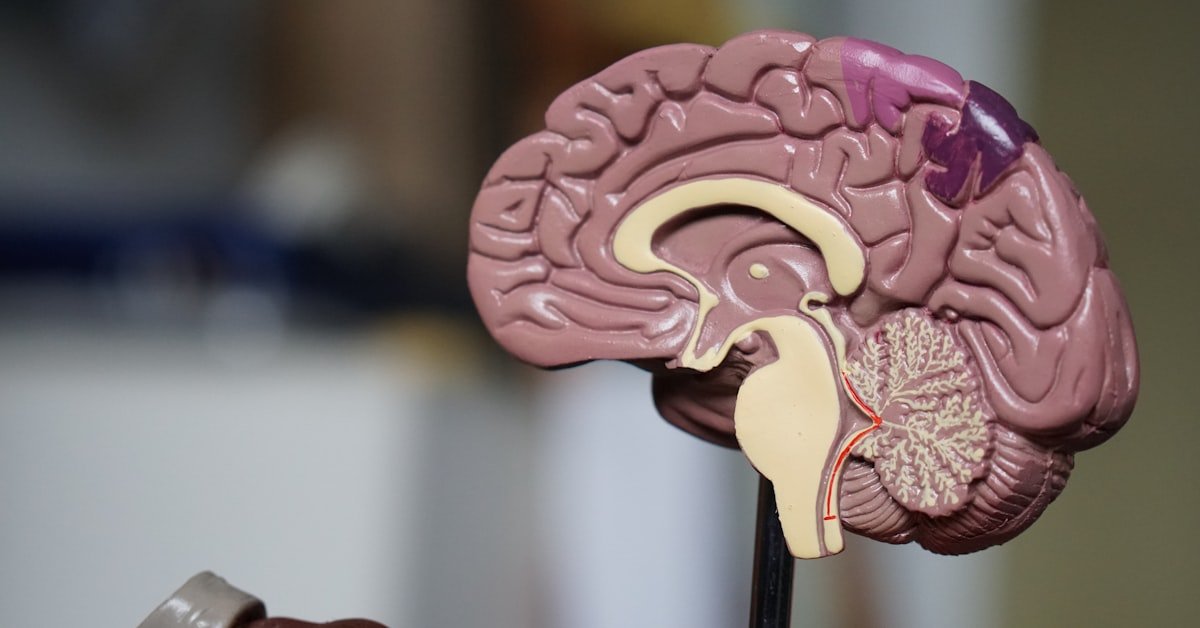
Most people think of exercise as something you do for your body — for your weight, your heart, your joints. They’re right. But they’re missing the bigger story. When you exercise, your brain physically changes. It grows new cells, builds new connections, and becomes more resilient to the kind of decline that steals independence in the final decades of life.
The science here is not speculative. It’s some of the most compelling research in neuroscience. And for adults over 50, it may be the most important reason to start moving — regardless of whether you care about what you see in the mirror.
Meet BDNF: Your Brain’s Growth Hormone

When you exercise — particularly aerobic exercise and resistance training — your brain releases a protein called Brain-Derived Neurotrophic Factor, or BDNF. Researchers call it “Miracle-Gro for the brain.”
BDNF stimulates the growth and maintenance of neurons, supports the connections between brain cells, and plays a central role in learning, memory, and mood. Low BDNF levels are associated with depression, cognitive decline, and early-onset Alzheimer’s disease. Higher BDNF levels are associated with sharper memory, faster thinking, better emotional resilience, and a meaningfully lower risk of dementia.
Here’s the landmark finding: a study published in the Proceedings of the National Academy of Sciences found that older adults who walked briskly for 40 minutes three times a week increased the volume of their hippocampus — the brain’s memory center — by 2 percent over the course of a year. In a control group that only stretched, the hippocampus shrank by 1.4 percent. That’s a 3.4 percent difference, just from walking.
“Your brain doesn’t just benefit from exercise. It literally grows because of it. That’s not a metaphor. That’s biology.”
The Exercise Formula That Triggers BDNF Most Effectively

Not all exercise produces the same effect on brain chemistry. Here’s what the research shows works best:
- Moderate aerobic exercise — brisk walking, cycling, swimming — for 20–40 minutes produces the strongest short-term BDNF spike. You don’t need to run. You need to breathe harder than normal and sustain it.
- Resistance training — lifting weights or doing bodyweight exercises — also elevates BDNF, especially when combined with aerobic work. The combination is more powerful than either alone.
- Consistency matters more than intensity. Three moderate sessions per week for 12 weeks produces measurable, lasting changes in brain structure. One intense workout followed by two weeks off does not.
- Novel movement accelerates the effect. Learning a new exercise — a different movement pattern, a new sequence — engages the brain in a way that familiar, automatic movements don’t. This is one reason that yoga, dance, and skill-based training have shown particularly strong cognitive benefits in older adults.
What This Means If You’re Starting From Zero
You don’t need a perfect program. You need to start, and the cognitive benefits begin almost immediately. Research shows measurable improvements in mood and cognitive function after a single bout of moderate exercise. The structural changes — the hippocampal growth, the new neural connections — take months. But the direction of travel starts on day one.
I spent years away from training after my rotator cuff injuries. When I came back in my early 60s, one of the first things I noticed wasn’t just physical — it was mental. Clarity. Better sleep. A sharper sense of purpose. The science explains what I experienced. Movement is the most underutilized cognitive intervention available to every human being, and it costs nothing.
What Type of Exercise Matters Most for the Brain
Not all exercise produces the same brain effects. Aerobic exercise — the kind that elevates heart rate and breathing for a sustained period — is the most studied category for cognitive benefit, and it has the strongest evidence for BDNF production, hippocampal volume preservation, and reduced dementia risk. Walking, cycling, swimming, and dancing all qualify. The intensity does not need to be extreme; research suggests that moderate intensity, where you can still hold a conversation but are slightly breathless, is in the optimal range for most people.
Resistance training adds a different set of benefits. A 2020 meta-analysis in the British Journal of Sports Medicine found that strength training significantly improved executive function — the planning, organizing, and decision-making aspects of cognition — in adults over 50, independent of aerobic training. The mechanisms are partly different: resistance training increases insulin-like growth factor 1 (IGF-1) and reduces inflammatory markers, both of which benefit brain tissue. The combination of aerobic and resistance training appears to produce greater cognitive benefit than either alone.
Balance and coordination training — tai chi, yoga, agility drills — add a third layer. These forms of exercise require the brain to process proprioceptive information (where the body is in space) and make rapid adjustments. This kind of novel, complex movement appears to preferentially activate the prefrontal cortex and cerebellum, regions involved in attention and coordination. Learning a new dance routine or practicing balance poses is harder than walking on a treadmill — and that difficulty is partly the point.
The BDNF Window: Timing for Maximum Benefit
Brain-derived neurotrophic factor peaks in the bloodstream during and immediately after exercise and begins to decline within hours. This has practical implications: cognitive tasks performed close to exercise benefit from the elevated BDNF environment. Some researchers have suggested that learning new material, practicing a skill, or doing mentally demanding work within a few hours of exercise may produce better retention and consolidation.
This does not mean you need to restructure your entire day around exercise timing. But it does suggest that for people who have flexibility in their schedules, morning or midday exercise followed by cognitively demanding work is a biologically sensible sequence. If you are studying something new, practicing a language, learning an instrument, or working on a project that requires focus — doing it shortly after a walk or workout puts you in the best neurological state for that work.
Consistency matters more than timing. Five days a week of moderate exercise produces meaningfully more cognitive benefit than two days a week, and regular exercisers show larger hippocampal volumes than sedentary individuals even in cross-sectional studies. The brain, like the body, responds to accumulated stimulus over time — not to any single exceptional workout.
Muscle Mass, Strength, and the Muscle-Brain Axis
An emerging and underappreciated finding in neuroscience is that muscle tissue itself produces molecules — called myokines — that have direct effects on brain function. Irisin, one of the most studied myokines, is released during muscle contraction and crosses the blood-brain barrier, where it appears to stimulate BDNF production and reduce neuroinflammation. In animal studies, irisin has reversed cognitive deficits associated with Alzheimer’s-like pathology. Human research is still early, but the correlation between muscle mass and cognitive function in aging adults is consistent across multiple large-scale studies.
The practical implication is that maintaining muscle as you age is not just about physical function and metabolic health — it may be directly protective for the brain. Resistance training that preserves and builds muscle mass is therefore a cognitive health strategy as much as a physical one. This is one more reason why the combination of aerobic and strength training appears to be the most effective intervention for aging brains: you are hitting the same target from two different angles simultaneously.
Sleep, Stress, and the Brain: The Supporting Factors
Exercise alone cannot protect the brain if the rest of the lifestyle picture is working against it. Sleep is perhaps the most critical supporting factor: the glymphatic system — the brain’s waste-clearance mechanism — operates primarily during deep sleep, flushing out metabolic byproducts including amyloid-beta, the protein implicated in Alzheimer’s disease. Chronic sleep restriction impairs this clearance process and has been associated with accelerated accumulation of amyloid plaques in imaging studies of otherwise healthy adults.
Chronic psychological stress has similar effects. Cortisol at chronically elevated levels is neurotoxic to the hippocampus, the brain region most associated with memory formation. This is one of the mechanisms by which prolonged stress accelerates cognitive aging — it is not just that stress feels bad; it is that it physically damages the structures the brain uses to learn and remember. Exercise is among the most effective cortisol-regulating interventions available, which is another layer of the brain-exercise connection that rarely gets attention: exercise protects the brain partly by reducing the thing that damages it.
The overall picture is clear: the brain is not a passive beneficiary of a healthy lifestyle. It actively responds to how you move, how you sleep, and how you manage stress. Exercise is perhaps the single most powerful lever available to most people, and the dose required is lower than most assume — 150 minutes of moderate aerobic activity per week, combined with two or more strength sessions, is both the public health recommendation and the threshold at which most of the cognitive benefits in the research appear. That is roughly 20 to 30 minutes most days. The starting point is much smaller than that.
If you want a place to start, the free 5-Day Fit & Strong Reset needs nothing but a resistance band and will get your body and your brain moving in the right direction starting today. When you’re ready for a complete plan, Build Strong After 50 gives you a structured, joint-safe 12-week program with two workouts a week.