

If you’ve been handed a diabetes or pre-diabetes diagnosis, you’ve probably also been handed a list of things to cut out. Less bread. Less sugar. Less of whatever you actually enjoyed eating.
Nobody hands you the other list — the one that tells you what to actually put on your plate instead. That’s the list that keeps you eating real meals instead of feeling like you’re on permanent punishment. It’s also the list that actually changes your numbers, because restriction alone rarely sticks past a few frustrated weeks.
So let’s build that list. These aren’t fad “superfoods” pulled from a magazine cover. These are the choices with real research behind them, the ones that show up again and again in studies on blood sugar and metabolic health.
Type 2 diabetes and pre-diabetes are, for a large share of people, driven by how your body responds to the food you eat over years and decades. That means the reverse is also true: consistent changes to what’s on your plate can meaningfully change your blood sugar trajectory.
A large 2025 umbrella review in the Journal of Nutrition pooled findings from 67 studies covering more than half a million participants and looked at how 13 major food groups relate to type 2 diabetes and metabolic syndrome risk. The pattern that emerged was consistent: higher intake of whole grains, vegetables, fruits, nuts, and legumes was linked to lower diabetes risk, while processed meat and sugar-sweetened beverages moved risk in the other direction.
This isn’t a call for perfection. It’s a case for direction. Every meal is a small vote for which way your blood sugar trends over the next ten years, and the foods below are the ones the research keeps voting for.
The 10 Foods That Actually Move the Needle
The American Diabetes Association calls these “diabetes superstar foods” for a reason — they combine fiber, healthy fat, or protein in ways that blunt blood sugar spikes rather than fueling them. None of them require a special trip to a health food store or a budget most people don’t have. You’ll find every one of these in a regular grocery store, usually in the produce section or along the outer aisles where the less-processed food tends to live.
- Non-starchy vegetables (spinach, broccoli, peppers, cauliflower) — low in carbohydrates and calories, high in fiber and nutrients. The ADA recommends making half your plate these vegetables at lunch and dinner.
- Beans and lentils — a rare food that’s both a protein and a slow-digesting carbohydrate, which means steadier blood sugar and real staying power between meals.
- Berries — blueberries, strawberries, and blackberries bring fiber and antioxidant compounds without the blood sugar spike of many other fruits.
- Citrus fruits — oranges and grapefruit deliver fiber, vitamin C, and potassium along with natural sugar your body handles differently than added sugar, thanks to that fiber content.
- Fatty fish (salmon, sardines, mackerel) — the ADA recommends at least two servings a week for the omega-3 fats that support heart health, which matters enormously since heart disease risk rises alongside diabetes.
- Nuts — a small daily serving of almonds, walnuts, or pistachios provides fiber, magnesium, and healthy fat that helps you feel satisfied without spiking blood sugar.
- Whole grains (oats, quinoa, barley) — unlike refined grains, whole grains keep their fiber intact, which slows digestion and glucose absorption.
- Extra-virgin olive oil — the monounsaturated fat in olive oil, mainly oleic acid, has been shown to help improve blood sugar management and reduce post-meal triglyceride spikes.
- Fermented dairy (plain yogurt, kefir) — research points to a modest but real benefit for glycemic control, likely tied to probiotic activity in the gut.
- Cruciferous vegetables (broccoli, cabbage, Brussels sprouts) — beyond being low-carb and filling, compounds like sulforaphane found in broccoli have shown promise in early research for supporting healthier blood glucose levels.
You don’t need a perfect diet. You need a plate that works for you more often than it doesn’t.
How to Actually Use This List (Not Just Read It)
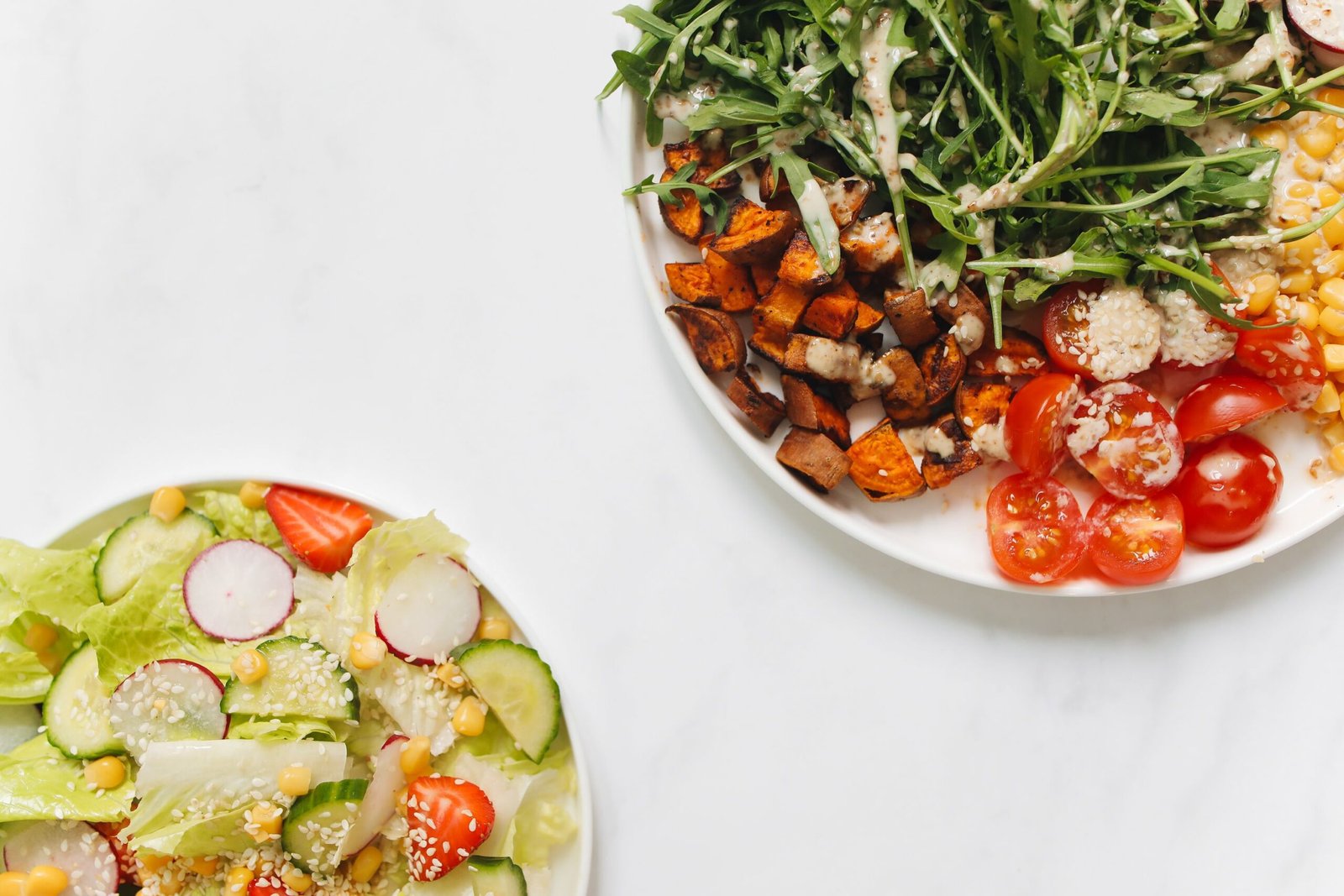
A list of ten foods doesn’t help you if it just sits in a browser tab. The simplest way to put this into practice is the plate method the American Diabetes Association recommends: fill half your plate with non-starchy vegetables, a quarter with lean protein like fish or beans, and a quarter with a whole grain or starchy vegetable.
This works because it removes the need to count, weigh, or calculate anything at every meal. You’re not managing numbers. You’re managing proportions, which is something you can actually do standing in your kitchen at six in the evening, tired, with everyone waiting to eat.
There’s also encouraging evidence for a specific eating pattern worth knowing about. A major NIH-supported trial called DASH4D, with results reported in Nature Medicine in 2025, found that a modified DASH-style diet — built around vegetables, fruit, whole grains, and lean protein, with less sodium and saturated fat — helped adults with type 2 diabetes spend significantly more time with blood glucose in a healthy range compared to a typical American diet. You don’t need to follow DASH by the letter. The foods on the list above overlap with it heavily, which is exactly why they keep showing up in the research.
A practical way to picture this at breakfast: swap the sugary cereal or plain white toast for plain yogurt topped with berries and a small handful of walnuts. At lunch, build a salad around beans or grilled fish instead of croutons and a starchy roll on the side. At dinner, let non-starchy vegetables take up the space a second helping of pasta used to occupy. None of these swaps require a special trip to a specialty grocery store — every one of them is sitting in a regular supermarket.
Reading labels helps too, but you don’t need a nutrition degree to do it well. Look at the ingredient list first, not just the nutrition panel. If sugar, corn syrup, or a refined grain is one of the first three ingredients, that product is working against the goal, no matter what the front label claims about being “healthy” or “natural.”

The Foods Working Against You (And Why It’s Not Just “Sugar”)
It’s worth naming what tends to push blood sugar in the wrong direction, because the answer is broader than most people expect. Sugar-sweetened beverages are an obvious one — a single soda or sweetened iced tea can spike blood glucose faster than almost anything you’d eat with a fork.
But the umbrella review mentioned earlier found processed meat carried real risk too, independent of its fat content, likely tied to preservatives and the way it’s processed. Refined grains — white bread, white rice, most packaged crackers — behave differently in your body than their whole-grain counterparts because the fiber that would slow digestion has been stripped out.
The point isn’t to memorize a villains list and panic every time one crosses your plate. It’s to understand that these foods earn their reputation from consistent, repeated research, not from a diet trend. Treat them as occasional guests at your table instead of daily regulars, and the ten foods above as the ones doing the daily work.
What This List Doesn’t Mean
This isn’t a cure, and it isn’t permission to ignore medication your doctor has prescribed. Food is one lever among several — movement, sleep, stress, and medical care all matter too, and I’ve written about each of those elsewhere on this site because none of them work in isolation. A short walk after the meal you just built with this list can blunt the blood sugar spike even further, which is one of the reasons pairing food changes with movement tends to outperform either one alone.
What this list does mean is that you have more control sitting on your plate than most people ever tell you. You don’t need to overhaul everything by Monday. Swap one starchy side for a non-starchy vegetable this week. Add a handful of berries instead of a sweeter dessert. Choose the salmon instead of the processed deli meat when you can.
Small, repeatable choices compound over months in a way one “perfect” day never will. That’s not a consolation prize — it’s actually the entire strategy that works long-term.
You didn’t get here overnight, and your numbers won’t turn around overnight either. But every plate you build with these ten foods in mind is doing real, measurable work in the direction you want to go.
The only way to start when you’re not motivated is to do it anyway. Your next meal is the next chance to start, and the one after that, and the one after that — this is a long game, and every good plate is a rep in it.
If you want a simple, structured way to pair these food choices with movement that also helps regulate blood sugar, Vinny’s free 5-Day Fit & Strong Reset walks you through exactly that — beginner-friendly, and all you need is a resistance band. Visit SilverFitPlus.com to get started today.
Sources
- American Diabetes Association — “Diabetes Superstar Foods” — ADA, 2024 — https://diabetes.org/food-nutrition/food-and-blood-sugar/diabetes-superstar-foods
- Banjarnahor RL, Javadi Arjmand E, Tasnim Onni A, et al. — “Umbrella Review of Systematic Reviews and Meta-Analyses on Consumption of Different Food Groups and Risk of Type 2 Diabetes Mellitus and Metabolic Syndrome” — The Journal of Nutrition, 2025 — https://pmc.ncbi.nlm.nih.gov/articles/PMC12121416/
- National Institutes of Health — “DASH-Style Diet Helps Control Blood Glucose” — NIH Research Matters, 2025 (findings reported in Nature Medicine) — https://www.nih.gov/news-events/nih-research-matters/dash-style-diet-helps-control-blood-glucose