
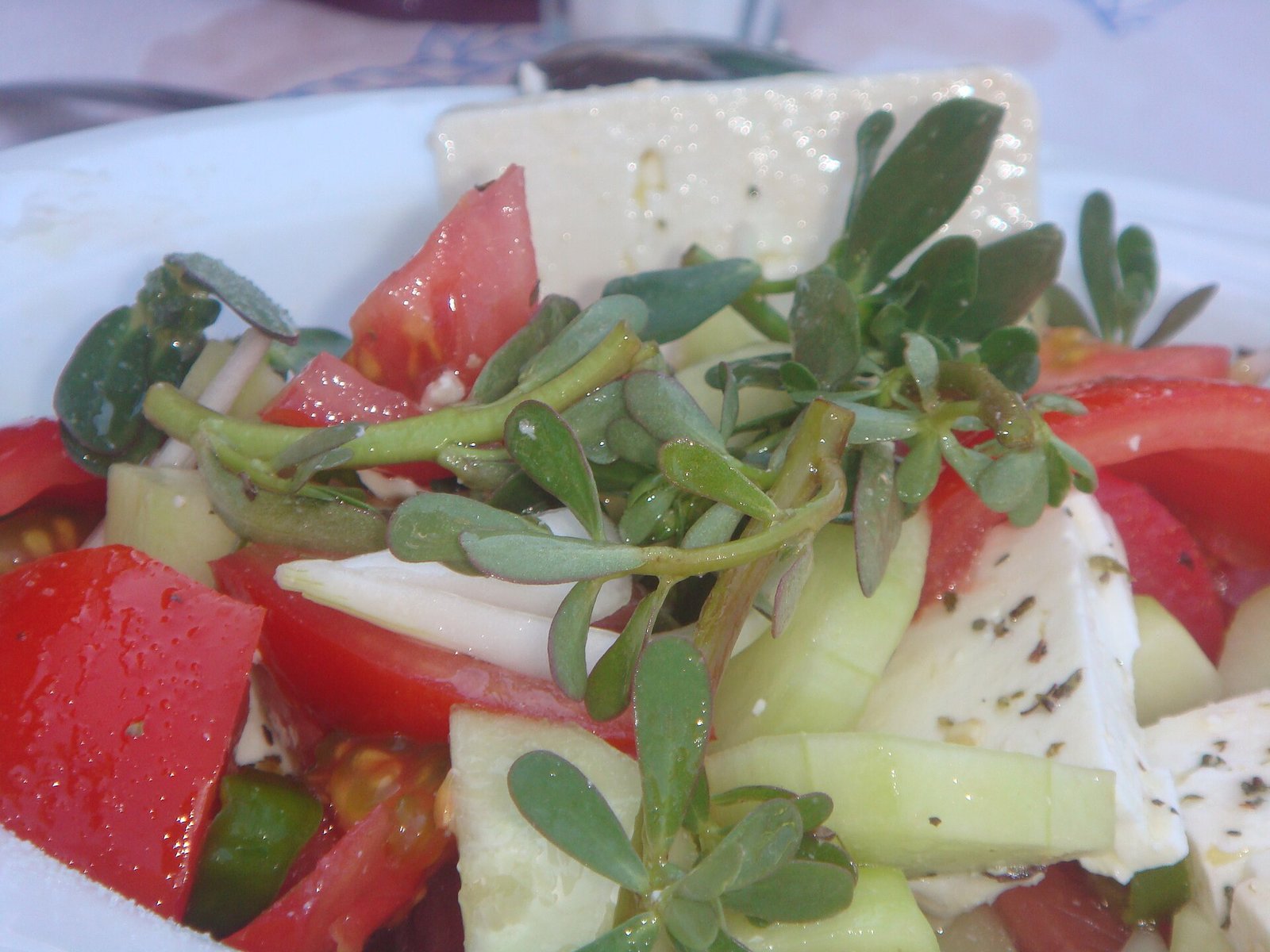
If you’re over 50 and carrying weight around your middle, you’ve probably been told to “eat Mediterranean.” Olive oil, fish, vegetables, less red meat. It’s good advice. But over the last few years, researchers took that already-excellent diet and made one specific upgrade — and the results on belly fat are hard to ignore.
It’s called the Green Mediterranean Diet, and it wasn’t dreamed up by an influencer. It came out of an 18-month, 294-person randomized controlled trial called DIRECT-PLUS, run by researchers at Ben-Gurion University and Harvard. I’ve been following a modified version of it myself, and in two months my Visceral Fat Index dropped from 6 to 3. I’ll walk you through what the diet is, why it works, exactly how I do it, and what a full day of eating looks like — so you can start this week.
What the Green Mediterranean Diet actually is
Start with a standard Mediterranean diet: vegetables, legumes, whole grains, olive oil, fish, and very little red or processed meat. Then the researchers “went green” by piling on plant polyphenols — the natural compounds that give plants their color and do a lot of the heavy lifting for your metabolism.
The green version added three things on top of the standard Mediterranean plan:
- 28 grams of walnuts a day (about a handful), adding roughly 440 mg of polyphenols along with plant-based omega-3s.
- 3–4 cups of green tea a day, rich in a polyphenol called EGCG.
- A daily green shake made from Mankai — a strain of duckweed — delivering another 800 mg of polyphenols, plus complete protein, iron, B12, and omega-3s.
It also cut red and processed meat down to almost nothing. All told, the green group took in more than double the polyphenols of the standard Mediterranean group. That single change — more plants, more polyphenols, less meat — is what separated the results.
You can’t do a crunch that reaches the fat wrapped around your organs. But you can starve it from the inside — with what’s on your plate.
Why visceral fat is the fat that actually matters
Not all body fat is the same. The soft stuff you can pinch under your skin is mostly harmless. The dangerous fat is visceral fat — the deep belly fat that packs itself around your liver, pancreas, and intestines. It’s metabolically active in the worst way, pumping out inflammatory signals that drive insulin resistance, heart disease, and type 2 diabetes. It’s also the fat most strongly tied to that stubborn, hard middle so many of us develop after 50.
Here’s where the Green Mediterranean Diet earned its reputation. In the DIRECT-PLUS trial, published in BMC Medicine in 2022, the green group lost 14% of their visceral fat — roughly twice as much as the standard Mediterranean group (7%) and far more than a plain healthy-eating diet (about 4.5%). Importantly, the more Mankai the participants ate, the more visceral fat they lost, which points straight at those extra polyphenols.
It didn’t stop at the belly. A related report from the same trial, published in the journal Gut in 2021, found the green diet cut fat inside the liver by roughly 39% — and slashed the rate of non-alcoholic fatty liver disease by about half. That matters, because fatty liver is one of the quiet engines behind blood sugar problems after 50.
What it does for blood sugar and diabetes
If you’re worried about diabetes — or already managing it — this is where things get interesting. Visceral fat and blood sugar are tied together. When you drain the fat around your organs, your body handles insulin better, almost automatically.
The Green Mediterranean Diet improved insulin resistance (measured by a marker called HOMA-IR) more than the other diets in the trial. And that fits a long track record for Mediterranean eating in general. In a landmark study in the Annals of Internal Medicine in 2009, Esposito and colleagues put people with newly diagnosed type 2 diabetes on a Mediterranean-style diet and found they were significantly less likely to need blood-sugar medication — and more likely to see their diabetes go into remission — than people on a standard low-fat diet.
The reasons are mechanical, not magic. The polyphenols help your cells respond to insulin. The fiber in the greens slows how fast sugar hits your bloodstream. And cutting red meat lowers certain amino acids that interfere with insulin doing its job. Put those together and you get steadier blood sugar without white-knuckling your way through a restrictive diet.
One honest caution: if you take medication for diabetes, this way of eating can lower your blood sugar meaningfully. That’s a good thing — but it means you should tell your doctor before you start and keep an eye on your numbers, so your medication can be adjusted safely rather than dropping you too low.
My modified version — spinach and meat instead of duckweed
Now for the honest part. The trial used Mankai duckweed in that daily green shake, and right now duckweed is genuinely hard to get your hands on. So I don’t use it. My modified version swaps in a big handful of spinach for the greens and polyphenols, and I add meat for protein instead of relying on the duckweed to cover it.
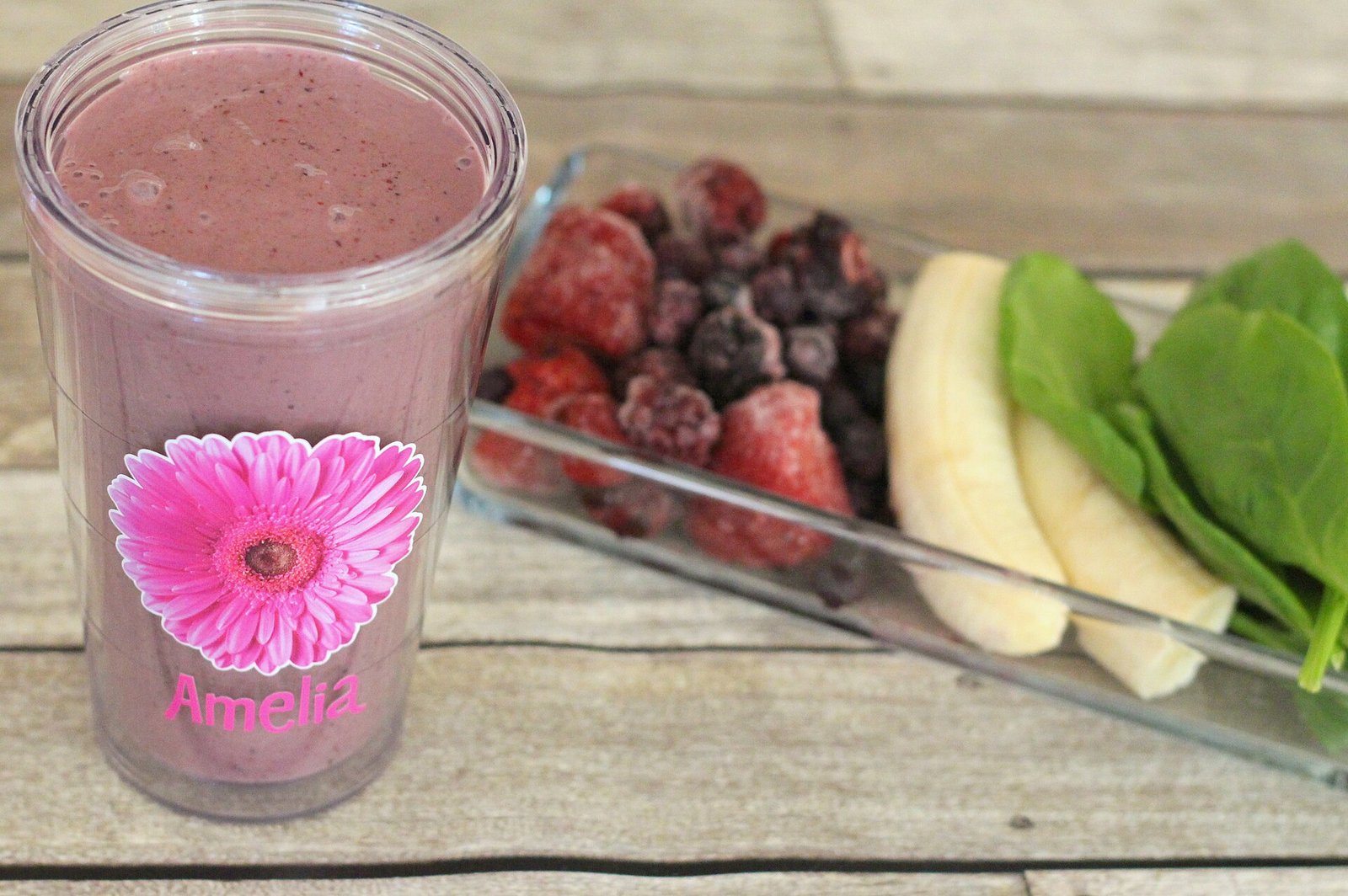
I want to be straight with you: that’s a departure from what the researchers tested. The studied diet deliberately cut red meat and used duckweed as the protein source, and duckweed brings polyphenols that spinach doesn’t fully match. So my version isn’t the exact protocol from the study — it’s my practical, easy-to-source adaptation of it.
But it’s working. Keeping the core of the plan — loads of vegetables, olive oil, walnuts, green tea, whole foods, and far less processed junk — while making the smoothie something I’ll actually drink every day is what took my Visceral Fat Index from 6 to 3 in two months. The best diet in the world does nothing if you can’t stick to it. If you can source Mankai, use it. If you can’t, don’t let that stop you from getting most of the way there with greens you can buy at any store.
A full day on the Green Med plate
Here’s what a realistic day looks like — the way I actually eat it, with my spinach smoothie and a sensible amount of meat. Adjust portions to your appetite and your doctor’s guidance.
Morning — the green smoothie. Two big handfuls of fresh spinach, half a banana, half a cup of berries, a tablespoon of walnuts or ground flax, unsweetened almond milk, and a scoop of protein or a few spoonfuls of plain Greek yogurt. Blend and drink. This is the engine of the whole plan.
Mid-morning. A cup of green tea. Aim for three to four cups spread across the day.
Lunch — a big Mediterranean bowl. A mound of leafy greens, tomatoes, cucumber, and olives, plus a cup of chickpeas or lentils for staying power, a modest crumble of feta, and a generous pour of olive oil with lemon. Add grilled fish or a palm-sized portion of lean chicken. If you want a grain, a small scoop of quinoa or a piece of whole-grain pita.
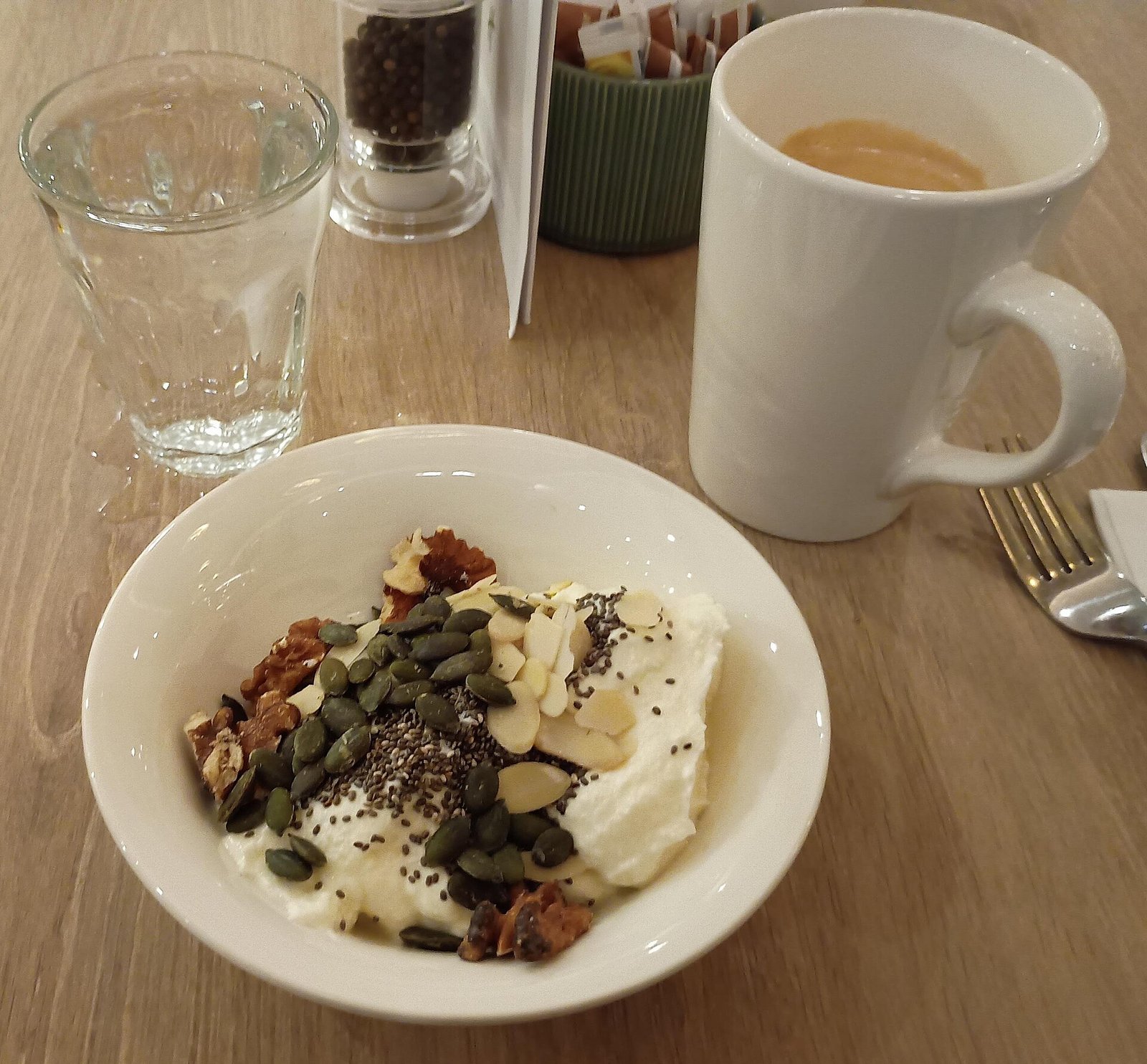
Afternoon snack — Greek yogurt with walnuts. Three-quarters of a cup of plain Greek yogurt with a small handful of walnuts on top. A few berries or a drizzle of honey is fine. This is the snack that gets the walnuts and protein in without reaching for anything processed.
Dinner — fish or lean meat and a pile of vegetables. Baked salmon or a lean cut of meat, roasted zucchini, peppers, and eggplant in olive oil, and a side of lentils or a small sweet potato. Finish the plate with sauteed dark leafy greens. Olive oil stays your default fat all day.
Evening. One more cup of green tea or a herbal tea. That’s the day: whole foods, plants first, olive oil throughout, walnuts and yogurt for the snack, and fish or lean meat anchoring the two main meals.
How to start this week
You don’t need to overhaul your life overnight. Pick a couple of these and build from there:
- Build a daily green shake. A couple handfuls of spinach (or Mankai if you can find it), walnuts, a little fruit, and Greek yogurt or protein. One habit, once a day.
- Trade one red-meat meal for fish or legumes. Start with one swap a week, not all of them.
- Drink green tea instead of a second coffee. Three to four cups over the day is plenty.
- Make olive oil your default fat for cooking and dressing.
- Snack on Greek yogurt with walnuts in the afternoon — the yogurt and the walnuts together, not walnuts alone.
None of this is punishing. That’s the point. You’re not starving yourself — you’re crowding out the junk with foods that actively work in your favor.
If you want a simple, beginner-friendly place to start moving alongside these changes, grab my free 5-Day Fit & Strong Reset — it’s a short, no-nonsense plan that pairs perfectly with cleaning up how you eat. Download it here and take the first step this week.
Sources
Zelicha H, Shai I, et al. — “The effect of high-polyphenol Mediterranean diet on visceral adiposity: the DIRECT PLUS randomized controlled trial” — BMC Medicine, 2022;20:327 — link.springer.com
Yaskolka Meir A, et al. — “Effect of green-Mediterranean diet on intrahepatic fat: the DIRECT PLUS randomised controlled trial” — Gut, 2021;70:2085–2095 — pmc.ncbi.nlm.nih.gov
Esposito K, et al. — “Effects of a Mediterranean-style diet on the need for antihyperglycemic drug therapy in patients with newly diagnosed type 2 diabetes: a randomized trial” — Annals of Internal Medicine, 2009;151:306–314 — pubmed.ncbi.nlm.nih.gov
Image credits: Cover — Greek salad by Lemur12, CC BY-SA 3.0. Green smoothie by Personal Creations, CC BY 2.0. Greek yogurt with walnuts by Haydn Blackey, CC BY-SA 4.0. All via Wikimedia Commons.