

Over 37 million Americans have diabetes. Another 96 million have prediabetes — and the majority don’t know it. The risk increases sharply after 45, and the combination of muscle loss, reduced insulin sensitivity, and sedentary behavior that many adults experience in their 50s and 60s creates a perfect storm for metabolic dysfunction.
But here’s what the headlines rarely say: Type 2 diabetes is largely preventable, and for people who already have it, the trajectory is highly responsive to lifestyle change. More responsive, in many cases, than medication alone. You have more control over this than most doctors have time to tell you.
How Insulin Resistance Develops After 50

Your body uses insulin to move glucose from your bloodstream into your cells, where it’s burned for energy. After 50, two things happen that disrupt this process. First, muscle mass declines — and muscle is the primary tissue that absorbs blood glucose. Less muscle means less capacity to clear glucose from your blood after meals. Second, the cells that remain become less sensitive to insulin’s signals, requiring more and more insulin to do the same job.
This is insulin resistance — the precursor to Type 2 diabetes. Your pancreas compensates by producing more insulin. Over years, this system becomes overwhelmed. Blood sugar stays elevated. Damage accumulates in blood vessels, nerves, and organs. The process is slow, silent, and almost entirely driven by lifestyle factors that can be changed.
“Diabetes doesn’t happen overnight. It develops over years of small choices. Which means it can be turned around the same way — one small choice at a time.”
The Three Most Powerful Interventions
1. Build muscle. This is number one, and it’s not close. Every pound of muscle you carry improves your insulin sensitivity. Every resistance training session creates a 24–48 hour window of improved glucose uptake — your muscles act like sponges for blood sugar, reducing how much remains in your bloodstream. Two or three sessions of resistance training per week produces measurable improvements in blood sugar control within 8–12 weeks.
2. Walk after meals. A 10–15 minute walk within 30 minutes of eating produces a significant reduction in post-meal blood glucose spikes. You don’t need a gym. You don’t need equipment. You need to move your body within the window when glucose is entering your bloodstream and help your muscles absorb it. This single habit, applied consistently, rivals some oral medications in its effect on post-meal glucose levels.
3. Change what you eat first. You don’t have to overhaul your entire diet. Start by reducing refined carbohydrates — sugary drinks, white bread, processed snacks — and replacing them with protein, fiber, and healthy fats. Add more vegetables. Choose whole grains over refined. Eat protein at every meal. These changes reduce the magnitude of blood sugar spikes, which reduces the insulin demand, which over time improves sensitivity.
What to Expect When You Start Moving
The most common question I get from clients with elevated blood sugar or Type 2 diabetes is: “Will I see results?” Yes. Within 2 weeks of consistent movement and improved eating, most people see measurable changes in fasting blood glucose. Within 8–12 weeks, the changes can be significant enough that conversations with a doctor about medication adjustment become appropriate.
This is not a promise that exercise cures diabetes. It’s a reality that lifestyle is the most powerful lever available, and most people have never truly pulled it.
How Exercise Changes Blood Sugar in Real Time
When muscle contracts during exercise, it pulls glucose out of the bloodstream through a mechanism that bypasses insulin — glucose transporter proteins called GLUT4 move to the cell surface in response to muscle contraction itself, independent of insulin signaling. This is why exercise lowers blood sugar even in people with significant insulin resistance: you are using a different door into the cell.
The effect is immediate and dose-dependent. Moderate aerobic exercise — a brisk 20-to-30-minute walk — can lower blood sugar by 20 to 40 mg/dL in people with elevated levels. The effect persists for hours after the session ends, as muscles replenish their glycogen stores by pulling glucose from the blood. A single session of resistance training has similar effects, and the impact on insulin sensitivity from a strength session can persist for 24 to 48 hours — meaning you are improving your glucose metabolism on days you do not exercise, as a consequence of the session you did the day before.
Timing matters for people actively managing blood sugar. A short walk after meals — even 10 minutes — targets the post-meal glucose spike directly, which is one of the most damaging patterns in metabolic disease. Post-meal spikes that repeatedly reach high levels damage blood vessel walls, contribute to inflammation, and accelerate long-term complications. Interrupting those spikes with post-meal movement is one of the most evidence-backed and accessible lifestyle interventions available.
Protein, Muscle Mass, and Metabolic Health
People managing type 2 diabetes often receive dietary advice focused almost entirely on carbohydrate reduction. This is partly valid — carbohydrates are the primary driver of blood glucose — but it misses the equally important role of protein and muscle mass in metabolic health.
Skeletal muscle is the body’s primary site of glucose disposal. The more muscle you have, the larger the reservoir available to absorb blood sugar after meals. Sarcopenia — age-related muscle loss — is therefore a direct contributor to worsening insulin resistance in adults over 50. Building and preserving muscle through resistance training is a metabolic health strategy as much as a physical one.
Adequate protein intake supports this process by providing the building blocks for muscle protein synthesis. The general recommendation for adults with diabetes is 1.2 to 1.6 grams of protein per kilogram of body weight per day — somewhat higher than the conventional 0.8 g/kg recommendation — to support muscle maintenance, especially in the context of any caloric restriction for weight management. Spreading protein intake across meals rather than consuming most of it at one meal improves the muscle protein synthesis response, since the stimulus is most effective when amino acid availability is consistent throughout the day.
What to Track and Why It Matters
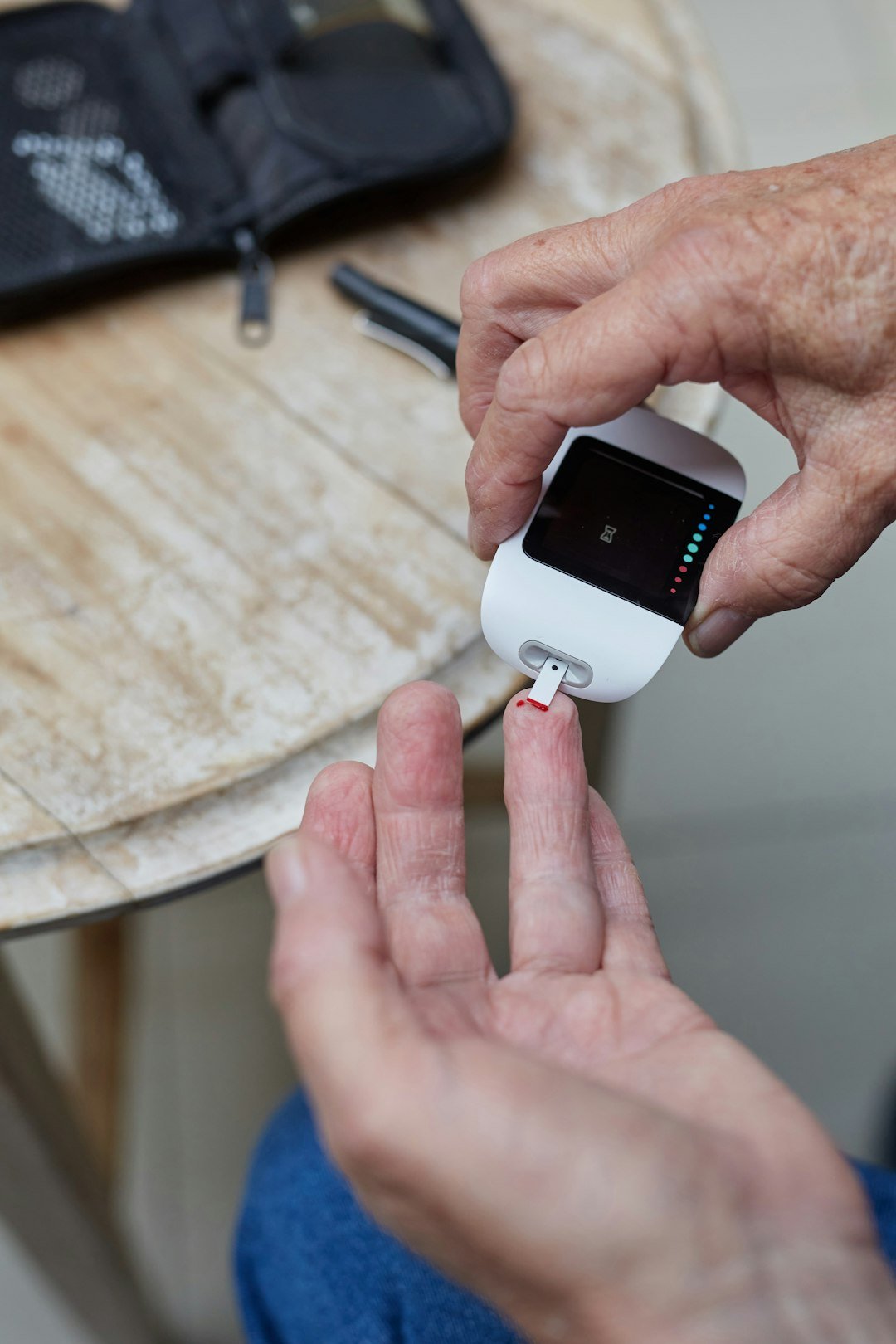
People who track their blood sugar — whether through a traditional glucometer or a continuous glucose monitor — have more information to make behavioral decisions. Seeing in real time how a specific meal, a walk, a stressful meeting, or a poor night of sleep affects blood glucose creates feedback loops that are far more motivating and educating than abstract dietary advice.
Continuous glucose monitors (CGMs) are now available to people without diabetes prescriptions in many countries, and their use in the general health and fitness community has grown substantially. For someone managing type 2 diabetes or trying to understand their metabolic patterns, a two-to-four week trial of a CGM can produce more insight about individual food and lifestyle responses than months of general guidance, because it shows individual variation rather than average population responses.
Even without a CGM, tracking what you eat alongside fasting blood glucose readings and post-meal readings (two hours after eating) provides actionable data. Patterns emerge quickly: the foods that produce outsized spikes, the effect of meal order and portion size, the improvement from consistent exercise. This data removes guesswork and replaces it with personalized understanding — which is ultimately what produces lasting behavior change.
Sleep, Stress, and Blood Sugar: The Overlooked Variables
Diet and exercise receive the most attention in diabetes management conversations, but two other factors have comparable effects on blood sugar and are regularly overlooked: sleep and stress.
A single night of reduced sleep (less than 6 hours) measurably reduces insulin sensitivity the following day in studies of both diabetic and non-diabetic adults. Chronic sleep deprivation drives cortisol up, increases appetite (particularly for shigh-carbohydrate foods), reduces the brain’s capacity for impulse control, and directly impairs glucose metabolism through multiple mechanisms. People who consistently sleep less than 6 hours have significantly higher rates of type 2 diabetes than those who sleep 7 to 9 hours, sleep even after controlling for other variables.
Psychological stress raises blood sugar through cortisol, which signals the liver to release stored glucose — a useful mechanism in genuine emergencies and a harmful one when it is triggered by chronic workplace, financial, or relationship stress. People with diabetes who experience high ongoing stress often find their blood sugar harder to control regardless of diet and exercise, for this reason. Stress management is therefore not a soft lifestyle recommendation — it is a mechanistically important component of metabolic health management. Brief daily practices with demonstrated cortisol-lowering effects — diaphragmatic breathing, progressive muscle relaxation, meditation — are worth including in any comprehensive approach.
Managing type 2 diabetes is a whole-system project, and the lifestyle levers available — movement, nutrition, sleep, and stress — work together in ways that make each one more effective when the others are in place.
Each lever reinforces the others, making the combined lifestyle approach meaningfully more powerful than any single intervention pursued in isolation, and the compounding effect becomes more pronounced the more consistently each element is maintained.
If you’re ready to start moving and want a program built for exactly where you are, the 5-Day Fit & Strong Reset is free, requires a resistance band, and takes 20 minutes a day. It’s not a diabetes treatment program — it’s a starting point for getting your body moving in a way that supports every system, including your metabolic health.